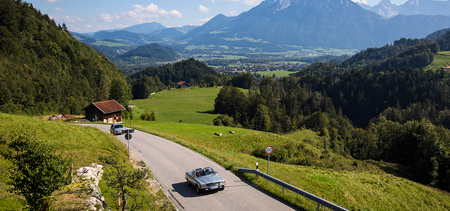
Altötting County can be divided into three different landforms. In the North, above the Inn Lowlands, there is the Tertiary Isar-Inn-Downs. Adjacent, Inn Valley can be found, with an average width of ten kilometers. The South is characterized by the Moraine Hills and the high terraces of „Alzplatte“ and the foothills of the Alps.
In respect to the periods during these different landscapes were formed, the region can be divided into the Tertiary Isar-Inn-Downs, and the landforms in the middle and in the South of the county, which both were formed during the Ice Age.
The Tertiary Downs are older, having been formed in the Younger Tertiary, the so-called Miocene, about 30 million years ago. The responsible developments are closely connected with the upthrust of the Alps. When the alps raised, the sea was pushed away, filling the newly-formed basins in the North with salt water, which over time retreated and became freshwater.
The whole country between the Alps and the brim of the old low mountain ranges was covered with water. On the ground of that ocean, depositions accumulated, consisting for the most part of limy clay (marl and loam), mica, and fine-grained sand. Within the county, these deposits can be found in the form of fine and coarse sand, silt, and Alpine quartz rubble.
This rubble is partly cured in conglomerate. Beneath the rubble layers, watertight fine sands and clay were formed, preserving the largest groundwater deposit of the Tertiary Downs. Many single farms are still relying on their own wells to cover their water needs.

|
Contact | Press | Partner Sites | Imprint | AGB | Login |