The Franconian Forest. Bavaria"s green crown. A German Highland, nature park, and historical ground in the North of Bavaria. At first sight less spectacular than the ocean or the high mountain regions, it offers quite a unique countryside. Not a site of mass tourism - which is what keeps it so "real" and authentic. That"s "Bavaria, Franconian Style".
The Franconian Forest has a size of more than 100,000 ha, most of which is covered by the Nature Park that preserves the natural and cultural landscape. It borders on Thuringia in the North, on Vogtland and the Fichtel Mountains in the East, on Franconian Switzerland in the South, and finally on Oberes Maintal/Coburger Land in the West. Next to the A9 freeway between Munich and Berlin, it used to be located near the German-German border and served as an almost local recreation region for Berliners. Now, after all borders are opened, the variety of attraction is much more visible in its balancing act between lived customs and embraced modernity.
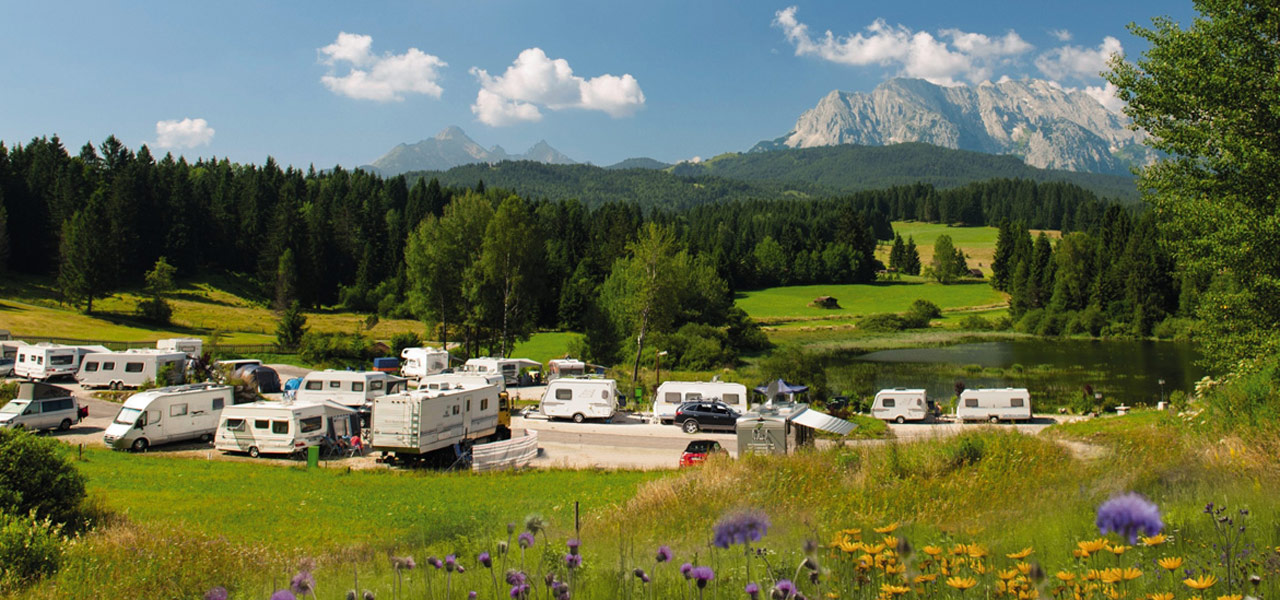
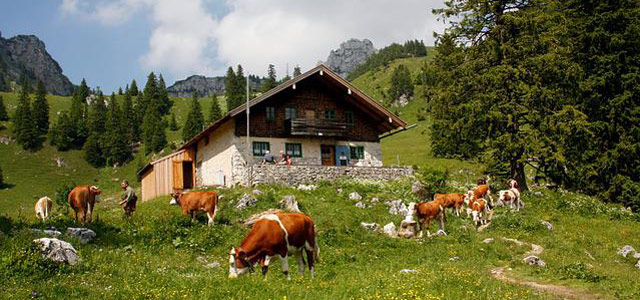
For visitors and tourists of course the preserved nature of the Nature Park marks the highlight of the Franconian Forest.
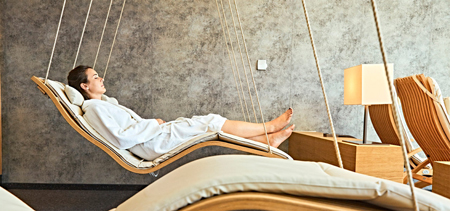
The second leg of Franconian Forest Tourism is Health & Wellness, due to its foehn-free upland climate (foehn, in german "Föhn", is a warm dry wind blowing down the side of the alps). The unique mixture of the natural remedies radon, carbonic acid, and marsh, as well as the new hot springs spa of Bad Steben are perfect ingredients for health and fitness. Once revived, visitors can try their luck at Bavaria"s youngest Casino in Bad Steben.
Having been borderland before, the Franconian Forest didn"t use to be connected to the classic North-South, or East-West routes, which made for a remarkable preservation of customs and tradition. Typical for the Franconian Forest are its water and its wood, combined in the timber rafting, for a long time one of the most important commercial branches of the Franconian Forest. While the work as rafter on the waterways all the way to Amsterdam was hard work, tourists today can simply enjoy their wild and wet ride on the Rodach river.
Of similar importance was textile manufacturing, that has developed into a modern industry. "Closet of the World" served as nickname for the city of Helmbrecht for a long time; today, visitors can use the classic loom in the Franconian textile museum to enter the Guinness Book of World Records for helping to weave the world"s longest scarf.
A warming scarf is a good idea for those discovering another tradition of the Franconian Forest during a tour of an abandoned shaft: Mining. Ore Mining was the more commercially successful branch, but shale mining left more traces in the region: The shale facades of many houses, especially in the North of the Franconian Forest, are more common than the timber-framework, which is usually associated to Franconian architecture and found more often in the South, e.g. in Kulmbach.
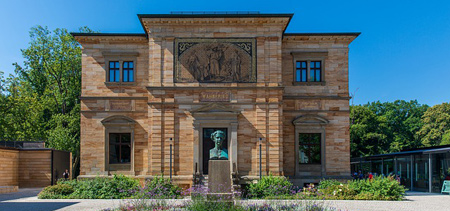
One would be mistake to think that nature with all the activities it has to offer would be the only attraction of the Nature Park. In fact, the Franconian Forest has a rich cultural heritage: Alexander von Humboldt and Jean Paul have left their mark, and Lucas Cranach is a son of the region. The numerous Palaces and Castles from Lauenstein and Mitwitz to Kronach - the Fortress of Rosenberg is one of the largest preserved fortresses in Germany - and the Plassenburg of Kulmbach are history written in stone, and also the best stages for concerts, exhibition, and modern, open air theater such as the Faust Festival in Kronach. As for museums, the variety is just as broad: Traditional craftsmanship like bobbin lace making, timber rafting, and weaving are used as themes; steam engines and mills offer a glance of history; and even Picasso and Hundertwasser are presented in temporary exhibitions.

There is probably no place to get to know the local people better than a tavern table. The Franconian Forester - unlike in many other mass tourism destinations - is not part of the tourism infrastructure. He is a genuine original, with an astute sense for the roots of his region, for truth, and for nature. The latter is preserved in a special way in the Franconian Forest. As a nature park the Franconian Forest is one of currently 30 European biological reserves that have signed the "European Charter for sustainable Tourism". That charter commits the Franconian Forest to develop tourism only with the highest regard for environmental protection. The Franconian Forest is not an artificial world, but a vivid place of nature and culture - and that"s just how we want it to remain.
|
Contact | Press | Partner Sites | Imprint | AGB | Login |