Google-Maps Nature Park Steigerwald

In the middle of the city quadrangle Würzburg-Bamberg-Nuremberg-Rothenburg o.d. Tauber, between Main and Aisch River, lies the softly wooded low mountain range of „Steigerwald“. Hardly a place, a town
worth seeing without historic significance!
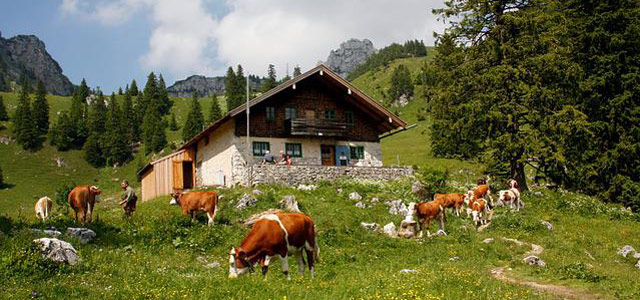
Magnificent timber-framed houses, historic city centers, and villages covered in flowers; on the other hand blossoming nature, sun-covered ponds, and green woodlands; all blending together in Steigerwald.
Settlement in Steigerwald has been dated back to the Paleolithic Age, 80,000 years ago. The Neolithic Age has left interesting finds, as well. Later on, the Celts left their traces here; and when the Romans advanced across the Danube River, this region remained home to the Alemanni, until the Franks seized the country between the 6th and the 8th century.
The Northern part of Steigerwald had its history dominated by the influence of the
Cistercian Monastery of Erbrach (the first on the left bank of the Rhine River) and of the Bamberg Diocese; the Diocesan City of Bamberg influenced the West. The largest estate in the South belonged to the Margraviate Ansbach-Bayreuth and to the Princedom Schwarzenberg. The Peasant War (1525) and the Thirty Years" War (1618-1648) brought death and destruction.
Between 1803 and 1810, Steigerwald step by step became part of Bavaria. Necessary changes in administration brought their own problems: The region fell behind economically. What was once a disadvantage now bears fruit: Nature and landscape have remained untainted and now constitute an ideal region for vacation and recreation.
|
Contact | Press | Partner Sites | Imprint | AGB | Login |